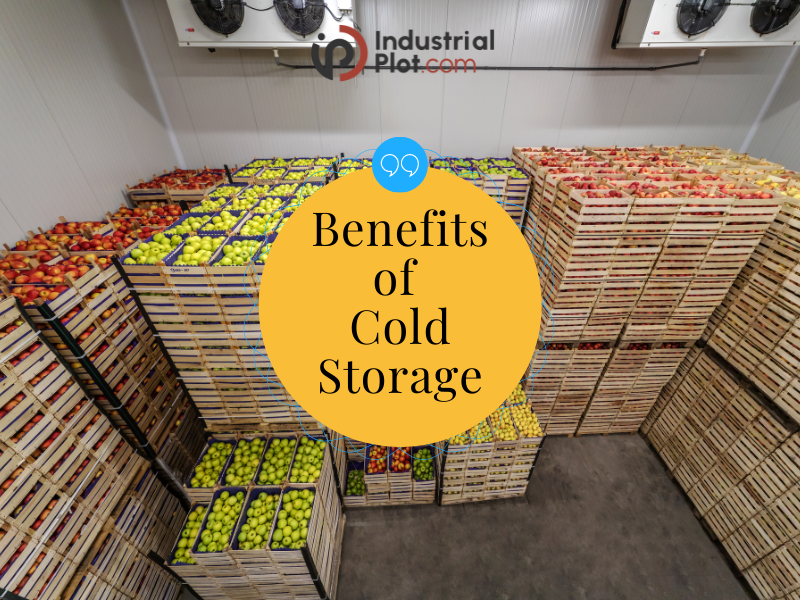
Title: Maximizing Freshness: The Art of Cold Storage for Fruits and Vegetables
Introduction:
In the quest for prolonging the freshness and shelf life of fruits and vegetables, cold storage emerges as a hero. This age-old method has been practiced for centuries, evolving with technological advancements. Let's delve into the intricacies of cold storage for fruits and vegetables, exploring its usage and the myriad advantages it offers.
The Science Behind Cold Storage: Cold storage operates on a simple principle: lowering the temperature to slow down the rate of decay and microbial growth. Fruits and vegetables are living organisms that respire, emitting heat and moisture, leading to their deterioration. By subjecting them to controlled cold temperatures, this process is slowed significantly, preserving their quality and nutritional content.
Using Cold Storage Effectively:
Temperature Management:Different fruits and vegetables have varying temperature requirements. For instance, tropical fruits like bananas and mangoes prefer higher temperatures, around 55°F (12°C), while leafy greens and berries thrive in cooler environments, around 32°F (0°C) to 40°F (4°C). Understanding these preferences is crucial for optimal storage conditions.
Humidity Control: Maintaining appropriate humidity levels is vital to prevent dehydration or excessive moisture, both of which can lead to spoilage. High humidity is ideal for leafy greens, while low humidity is suitable for most fruits to deter mold growth.
Ethylene Sensitivity: Some fruits and vegetables produce ethylene gas, which accelerates ripening and can cause nearby produce to spoil faster. Separating ethylene producers (such as apples, bananas, and tomatoes) from ethylene-sensitive items (like broccoli, carrots, and leafy greens) can extend their shelf life.
Proper Packaging: Packaging plays a crucial role in cold storage. Perforated plastic bags or breathable containers help regulate airflow and prevent condensation buildup, reducing the risk of mold and decay.
Advantages of Cold Storage:
Prolonged Shelf Life: Cold storage significantly extends the shelf life of fruits and vegetables, allowing consumers to enjoy fresh produce for longer periods.
Preservation of Nutritional Value: By slowing down the degradation process, cold storage helps retain the nutritional content of fruits and vegetables, ensuring consumers receive essential vitamins and minerals.
Reduced Food Waste: Longer shelf life means less food waste. Cold storage enables retailers to stock fresh produce for extended durations without the fear of rapid spoilage, thereby reducing economic losses and environmental impact.
Seasonal Availability: Cold storage facilitates the storage of seasonal produce beyond their harvest periods, providing consumers with a diverse selection of fruits and vegetables year-round.
Cost Efficiency: Investing in cold storage infrastructure may initially incur expenses, but it proves cost-effective in the long run by minimizing losses associated with spoilage and wastage.
Conclusion:
Cold storage is a cornerstone of modern food preservation, revolutionizing the way we store and consume fruits and vegetables. By harnessing the power of controlled temperatures and humidity, it offers a plethora of benefits, from prolonging shelf life to reducing food waste. Embracing cold storage practices not only enhances food security but also promotes sustainability in the agricultural industry, ensuring a steady supply of fresh produce for generations to come.