
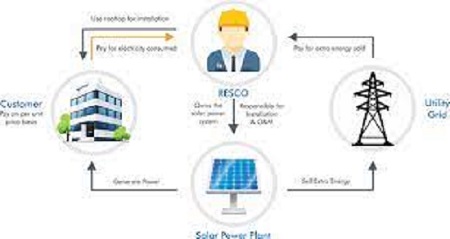
The Solar CAPEX (Capital Expenditure) model refers to a financial arrangement in which the entity or individual interested in deploying a solar power system makes an upfront capital investment to own the system outright. In this model, the customer covers the entire cost of designing, purchasing, and installing the solar infrastructure.
Here are the key characteristics of the Solar CAPEX model: Ownership: In the CAPEX model, the entity or individual making the investment becomes the owner of the solar power system. They have full control over the system and its operation. Upfront Investment: The customer is responsible for the entire capital expenditure associated with the solar project. This includes the cost of solar panels, inverters, mounting structures, installation, and any additional components. Financing Options: Customers may use their own funds to cover the upfront costs, or they can explore various financing options, such as loans, to spread the capital expenditure over a period of time. Operational Control: Since the customer owns the solar power system, they have control over the operation and maintenance of the installation. This includes monitoring system performance, scheduling maintenance, and ensuring optimal efficiency. Long-Term Savings: While the initial investment in the solar power system is higher in the CAPEX model, the long-term financial benefits include reduced or eliminated electricity bills and potential revenue from excess energy generation through net metering or feed-in tariffs. Return on Investment (ROI): The customer expects a return on their investment over the life of the solar power system, often through energy savings, increased property value, and potential revenue from selling excess energy back to the grid. Asset Appreciation: The solar power system becomes an asset on the balance sheet, potentially contributing to the overall value of the property or business. Tax Incentives: Depending on the region and applicable tax laws, customers may be eligible for various tax incentives, rebates, or credits to help offset the upfront costs of the solar power system. Benefits of the Solar CAPEX Model: Ownership and Control: The customer has full ownership and control over the solar power system, allowing for flexibility in system design, maintenance, and operation. Long-Term Savings: Over the life of the system, the customer can benefit from reduced or eliminated electricity bills, contributing to long-term financial savings. Potential for Revenue Generation: Excess energy generated by the solar power system can often be sold back to the grid, providing additional revenue for the system owner. Asset Appreciation: The solar power system becomes a valuable asset, contributing to the overall value of the property or business. Environmental Stewardship: Ownership of the solar power system allows customers to directly contribute to environmental sustainability by generating clean and renewable energy.