
As the world searches for sustainable and efficient energy solutions, solar hybrid systems have emerged as a harmonious blend of innovation and versatility. Combining the power of solar energy with other energy sources, these systems offer a balanced and reliable solution for various applications. Join us on a journey to explore the exciting world of solar hybrid systems and discover the potential they hold for shaping the future of clean energy.
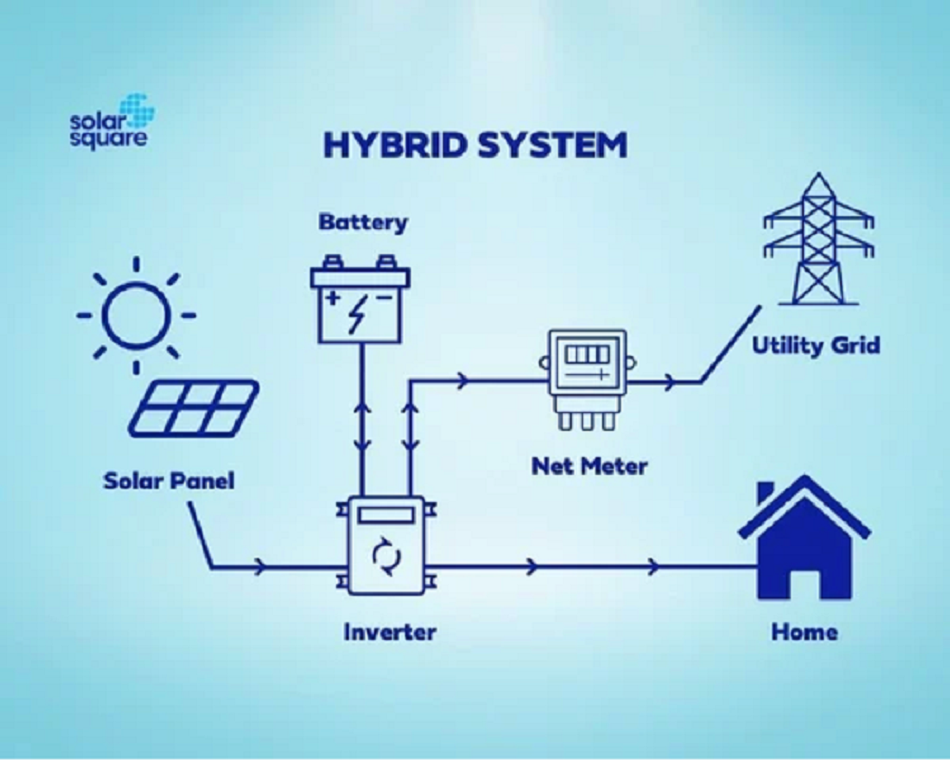
1. The Symphony of Solar Hybrid Systems: An Overview Solar hybrid systems represent a dynamic integration of solar power with other energy sources, such as wind, grid electricity, or generators. This synergy allows for continuous and reliable energy production, overcoming the intermittency associated with standalone solar systems. 2. Key Components of Solar Hybrid Systems: a. Solar Panels: • At the core of any solar hybrid system are solar panels that capture sunlight and convert it into electricity. These panels serve as the primary source of energy. b. Energy Storage: • Solar hybrid systems often incorporate energy storage solutions, such as batteries, to store excess energy generated during peak sunlight hours. This stored energy becomes invaluable during periods of low solar production. c. Backup Power Source: • To ensure uninterrupted energy supply, solar hybrid systems integrate a backup power source. This can be in the form of a generator or grid electricity, providing additional power when solar production is insufficient. d. Inverter and Controller: • An inverter converts the direct current (DC) generated by solar panels into usable alternating current (AC). A controller manages the flow of energy between different components, optimizing efficiency. 3. The Flexibility of Solar Hybrid Systems: a. Grid Interaction: • Solar hybrid systems can be connected to the electrical grid, allowing for the exchange of electricity. Excess energy generated can be fed back into the grid, and electricity can be drawn from the grid when needed. b. Integration with Wind Power: • Some solar hybrid systems incorporate wind turbines to harness both solar and wind energy. This combination enhances overall energy production, especially in areas with varying weather conditions. c. Hybrid for Off-Grid Applications: • Solar hybrid systems are versatile and can be adapted for off-grid applications, providing a reliable power source in remote areas where access to the grid is limited. 4. Benefits of Solar Hybrid Systems: a. Reliability: • Solar hybrid systems offer a consistent and reliable power supply by integrating multiple energy sources. This reliability is especially crucial in areas with fluctuating weather patterns. b. Energy Independence: • By combining solar power with other sources, solar hybrid systems reduce dependence on a single energy source. This independence contributes to greater resilience and adaptability. c. Cost Savings: • The combination of solar energy with other sources can result in cost savings, especially in regions where grid electricity is expensive or unreliable. Reduced reliance on backup generators also lowers fuel costs. d. Environmental Impact: • Solar hybrid systems contribute to environmental sustainability by reducing reliance on fossil fuels. The integration of renewable energy sources minimizes carbon emissions and mitigates the overall environmental impact. 5. Applications of Solar Hybrid Systems: a. Residential Use: • Solar hybrid systems can be applied in homes to ensure a continuous power supply, with the flexibility to draw from the grid during periods of high demand. b. Commercial and Industrial Applications: • Industries and businesses can benefit from the reliability and cost-effectiveness of solar hybrid systems, especially in areas with variable energy availability. c. Remote and Off-Grid Locations: • Solar hybrid systems are well-suited for remote areas and off-grid applications where a reliable power supply is essential. 6. Conclusion: The Future in Harmony As we navigate the challenges of a changing energy landscape, solar hybrid systems stand out as a beacon of harmony. Their ability to seamlessly integrate solar power with other energy sources paves the way for a resilient, reliable, and sustainable energy future. Embrace the synergy of solar hybrid systems, and join the movement towards a future where clean energy harmonizes with adaptability and reliability. Experience the potential of a well-orchestrated energy solution that combines the best of multiple worlds.