
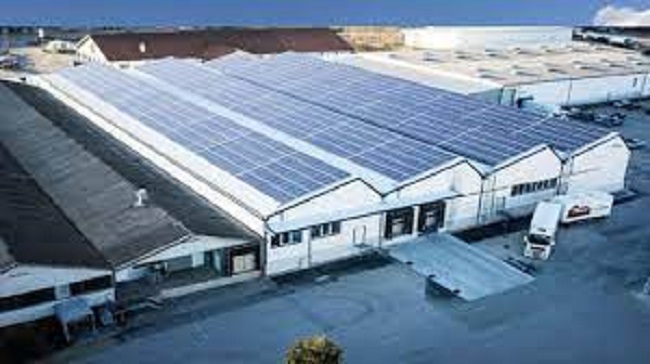
Installing an industrial solar power plant involves setting up a large-scale solar photovoltaic (PV) system to generate electricity for industrial facilities. Here's a guide on how to install an industrial solar power plant and the benefits associated with such installations:
Installation Process: Site Assessment: Conduct a thorough site assessment to determine the solar potential, considering factors such as sunlight exposure, shading, available space, and environmental conditions. Energy Demand Analysis: Analyze the energy consumption patterns of the industrial facility to determine the size and capacity of the solar power plant needed to meet the energy demand. Regulatory Compliance: Ensure compliance with local regulations and obtain necessary permits and approvals for the installation. Selecting a Solar EPC Contractor: Hire a reputable Engineering, Procurement, and Construction (EPC) contractor with experience in large-scale solar installations. Design and Engineering: Collaborate with the EPC contractor to design the solar power plant, including the layout of solar panels, inverters, and other necessary components. Procurement: Procure the required solar panels, inverters, mounting structures, and other equipment from reliable suppliers. Installation and Construction: Implement the construction phase, which involves installing solar panels on rooftops or mounting structures, connecting inverters, and integrating the system with the facility's electrical infrastructure. Grid Connection: Coordinate with the local utility company to connect the solar power plant to the grid. This may involve setting up a power purchase agreement (PPA) or establishing a net metering arrangement. Commissioning: Test and commission the solar power plant to ensure it operates efficiently and safely. Monitoring and Maintenance: Implement a monitoring system to track the performance of the solar power plant. Regular maintenance is crucial to ensure optimal efficiency and address any issues promptly. Benefits of Industrial Solar Power Plant Installation: Cost Savings: Industrial facilities can experience significant cost savings on electricity bills by generating their power from solar energy, reducing reliance on grid power. Environmental Impact: Solar power is a clean and renewable energy source, contributing to a reduction in greenhouse gas emissions and environmental impact. Energy Independence: Industrial solar power plants provide a degree of energy independence, reducing vulnerability to grid outages and price fluctuations. Long-Term Savings: Solar power plants have a long lifespan, and once installed, they can provide consistent energy savings over many years. Corporate Social Responsibility (CSR): Investing in solar power demonstrates a commitment to sustainability and corporate social responsibility, which can positively impact a company's reputation. Government Incentives: Many governments offer incentives, tax credits, and subsidies to encourage industrial solar installations, making the initial investment more attractive. Grid Support: Some industrial solar installations can participate in grid support services, providing additional benefits to the electricity grid and potentially generating revenue for the facility. Reduced Peak Demand Charges: Solar power generation can help mitigate peak demand charges, as industrial facilities often face higher electricity rates during periods of high demand. Enhanced Resilience: Solar power provides a decentralized and distributed energy source, enhancing the resilience of industrial facilities against centralized grid failures. Installing an industrial solar power plant requires careful planning, investment, and coordination, but the long-term benefits in terms of cost savings, sustainability, and energy independence can make it a sound decision for many industrial operations.