
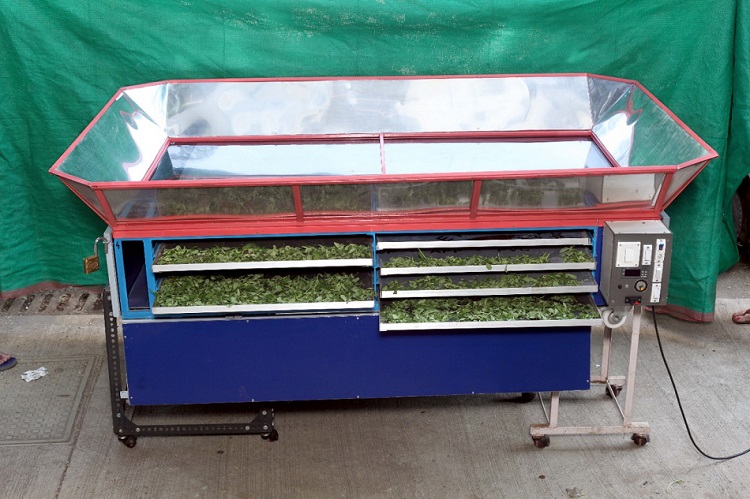
A solar hybrid dryer is a type of dryer that combines solar energy with other energy sources to dry agricultural products. The basic components of a solar hybrid dryer are similar to those of a solar dryer, including a collector, a drying chamber, and a ventilation system. However, in addition to solar energy, a hybrid dryer can use other energy sources such as biomass, electricity, or fossil fuels.
The hybrid dryer is designed to operate in different modes depending on the availability of energy sources. When solar energy is available, the dryer can operate in solar mode, using the energy of the sun to dry the products. When solar energy is not available, the dryer can switch to another energy source such as biomass, electricity, or fossil fuels. The use of a hybrid dryer offers several advantages, including: 1. Increased flexibility: A hybrid dryer can operate in different modes, depending on the availability of energy sources. This makes it more flexible compared to a solar dryer, which relies solely on solar energy. 2. Increased drying efficiency: The use of other energy sources can increase the drying efficiency of the dryer, especially during cloudy days or periods of low solar radiation. 3. Reduced carbon footprint: The use of renewable energy sources such as biomass and solar energy can reduce the carbon footprint of the drying process, making it more environmentally friendly. 4. Cost-effective: The use of a hybrid dryer can reduce energy costs by using renewable energy sources and by increasing drying efficiency, reducing the overall drying time and cost. Overall, a solar hybrid dryer offers a sustainable and environmentally friendly solution to dry agricultural products while reducing energy costs and carbon emissions. The choice of energy sources depends on the availability of resources, the type of product being dried, and the specific needs of the drying process.