
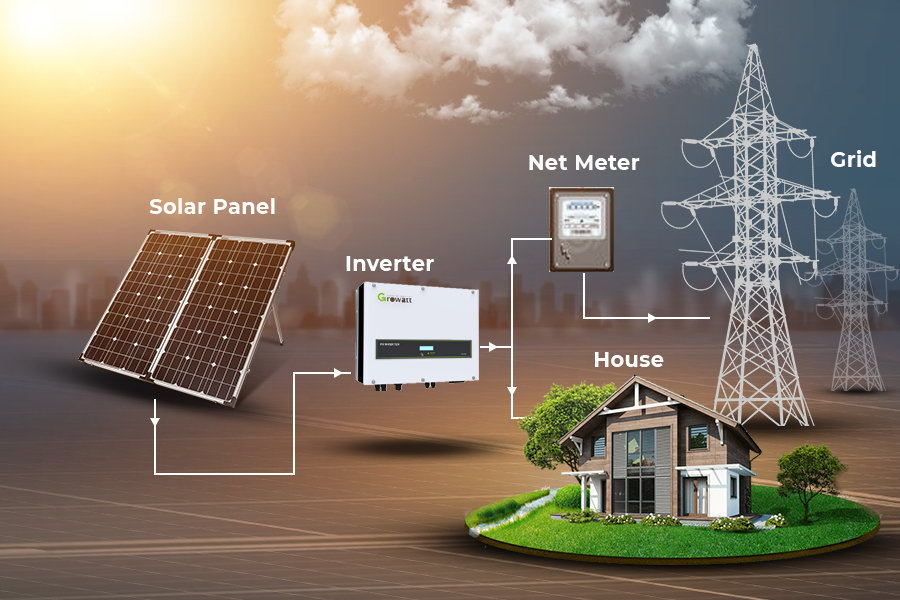
In the pursuit of a sustainable and energy-efficient future, on-grid solar systems have emerged as a shining star in the realm of renewable energy. By seamlessly integrating solar power into existing electricity grids, these systems offer communities a reliable, cost-effective, and environmentally friendly alternative to conventional energy sources. Let's explore the bright potential of on-grid solar systems and the transformative impact they can have on the way we power our homes and businesses.
1. The Power of Synergy: On-Grid Solar ExplainedOn-grid solar systems, also known as grid-tied or grid-connected systems, are designed to work in tandem with the existing electrical grid infrastructure. Unlike off-grid systems that rely solely on solar power and require energy storage solutions, on-grid systems are directly connected to the grid. This interconnectedness brings about a host of benefits that make on-grid solar an increasingly popular choice for communities and businesses.
2. Key Components of On-Grid Solar Systems: a. Solar Panels: Photovoltaic (PV) panels are the heart of any on-grid solar system. These panels convert sunlight into electricity, generating clean and renewable energy. b. Inverter: An inverter is a crucial component that converts the direct current (DC) produced by solar panels into alternating current (AC), which is used by the electrical grid and most household appliances. c. Metering: Specialized meters, such as bidirectional or net meters, measure the electricity generated by the solar system and the electricity consumed from the grid. This allows for accurate tracking of energy production and consumption. 3. Benefits of On-Grid Solar Systems: a. Cost Savings: On-grid solar systems allow users to offset their electricity bills by generating their power. Excess energy produced during sunny periods can be fed back into the grid, earning credits or compensation. b. Reliability: On-grid systems provide a reliable power source, ensuring a continuous supply of electricity even when solar production is insufficient (e.g., during nighttime or cloudy days). c. Environmental Impact: By tapping into solar energy, on-grid systems contribute to reducing greenhouse gas emissions and dependence on fossil fuels. This makes them a key player in the global effort to combat climate change. d. Integration with Existing Infrastructure: On-grid solar systems seamlessly integrate with the existing electrical grid, minimizing the need for additional infrastructure investments. This makes them a practical and scalable solution for urban and suburban areas. e. Incentives and Rebates: Many governments and utilities offer incentives, rebates, or feed-in tariffs for on-grid solar system owners. These financial benefits can significantly reduce the payback period and enhance the overall return on investment. 4. Net Metering: A Win-Win Scenario One of the standout features of on-grid solar systems is the implementation of net metering. This system allows users to feed excess energy generated back into the grid, effectively "banking" the surplus. During periods of low solar production, users can draw electricity from the grid without incurring additional costs, using the stored credits accumulated during sunny periods. 5. The Future Is Bright: On-Grid Solar and Community Impact As communities increasingly embrace on-grid solar solutions, the potential for positive community impact becomes evident. Schools, businesses, and households can collectively contribute to a more sustainable energy landscape. Beyond the immediate financial benefits, on-grid solar fosters a sense of environmental responsibility and community engagement. 6. Conclusion: A Sustainable Path ForwardOn-grid solar systems represent a powerful and pragmatic approach to harnessing solar energy for the benefit of communities. As technology advances and renewable energy adoption becomes more widespread, the synergy between on-grid solar and existing electrical infrastructure will play a pivotal role in creating a sustainable and resilient energy future.
Embrace the power of on-grid solar, and join the movement towards a brighter, cleaner, and more sustainable energy grid. Together, we can illuminate the path to a future powered by the sun.